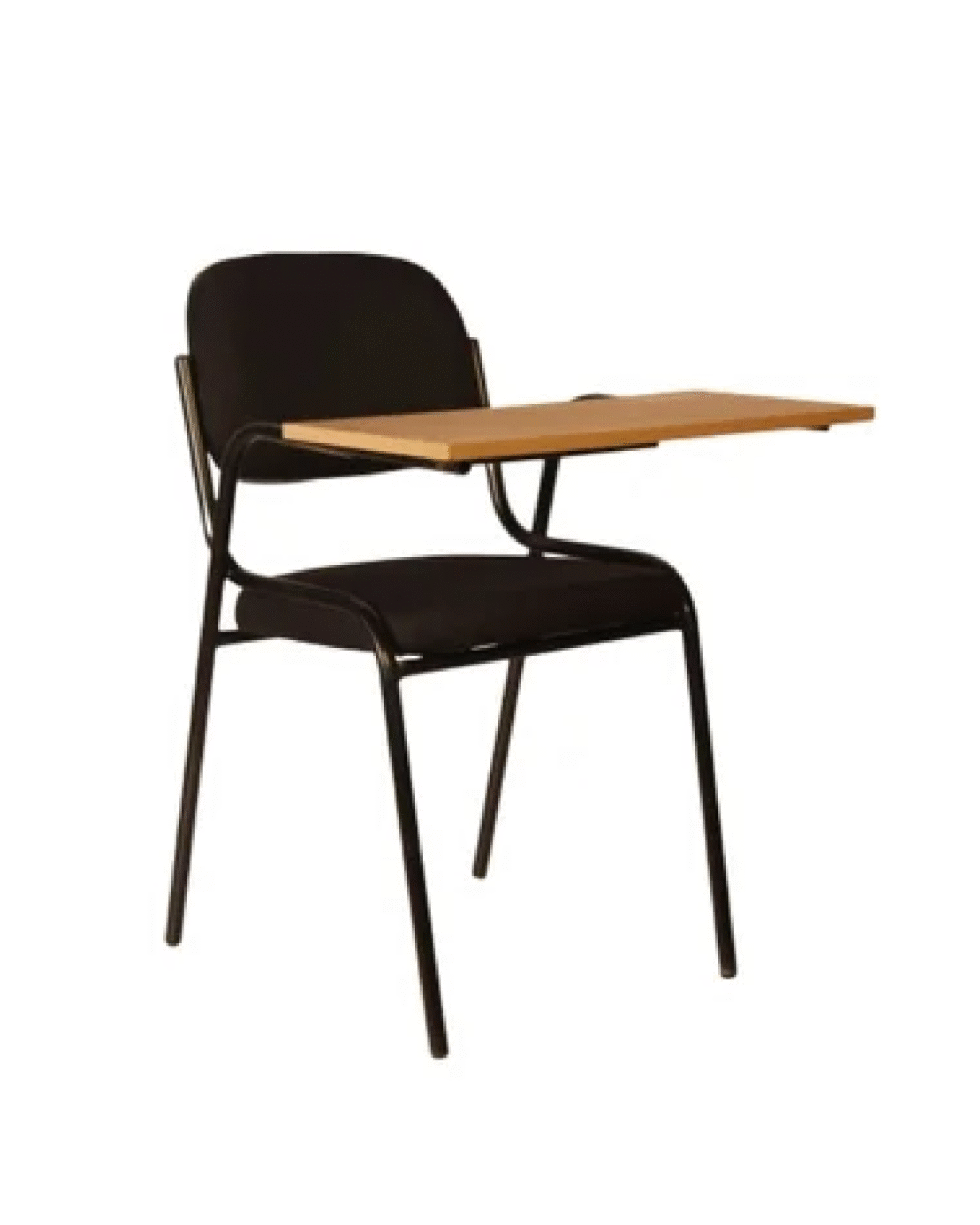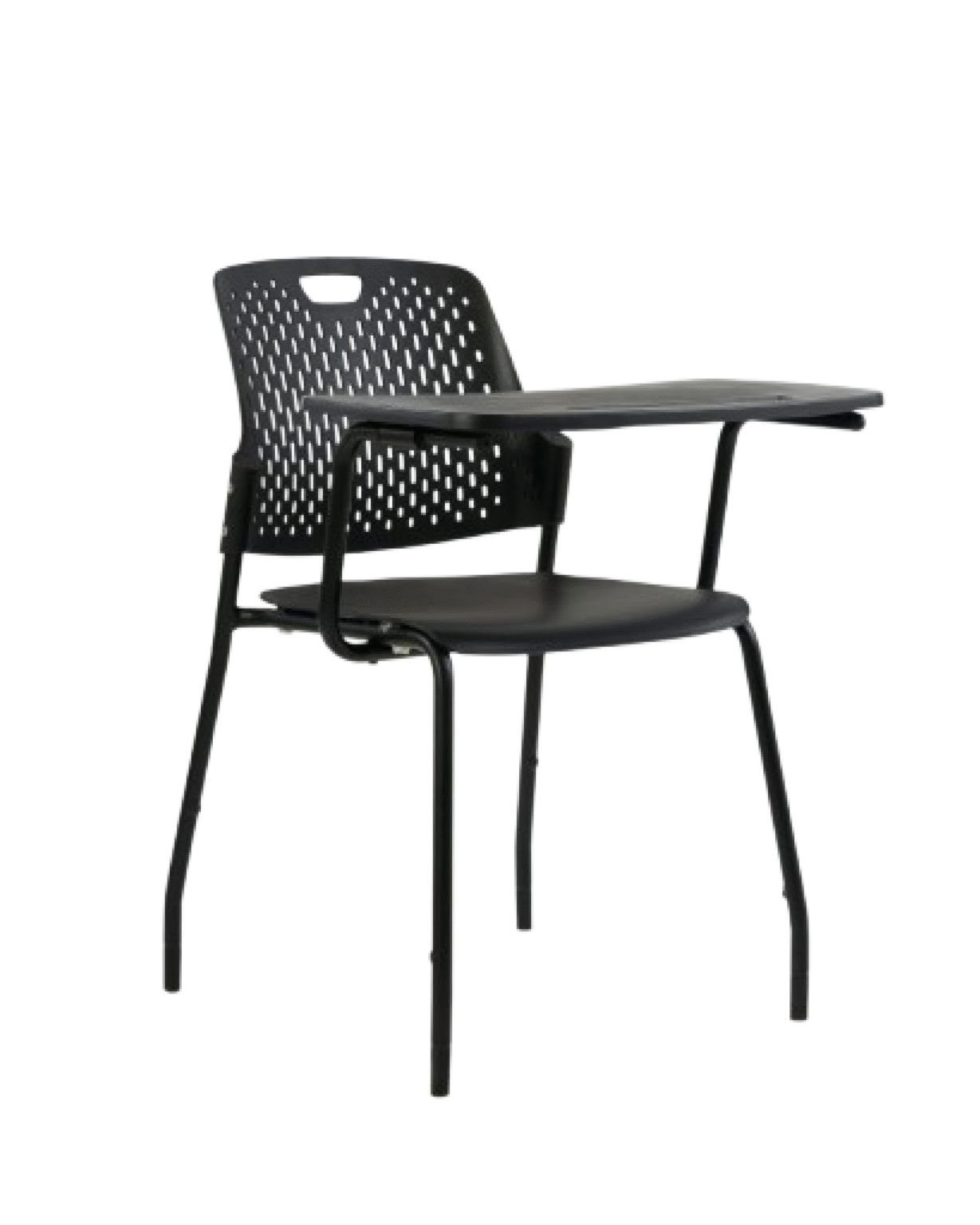
As businesses evolve, the need for smart, functional, and visually appealing environments becomes essential. This is where commercial space design plays a transformative role. Whether it’s a bustling corporate office, a high-end retail store, a vibrant coworking hub, or a welcoming café, the way a space is planned directly impacts brand perception, customer behavior, and employee efficiency.
At Solitaire Chairs, we see firsthand how well-planned commercial space designs shapes memorable experiences. In this guide, we’ll break down what it really means, why it matters, and how furniture choices contribute to the overall experience.
Defining Commercial Space Design
In simple terms, commercial space designs refers to the strategic planning, layout, aesthetics, and functionality of spaces used for business activities. Unlike residential design, this discipline prioritizes customer engagement, workflow efficiency, branding, safety compliance, and long-term durability.
It blends creativity with technical expertise—merging interior architecture, space planning, lighting, materials, ergonomics, and furniture design into one cohesive environment.
Why Commercial Space Design Matters More Than Ever
Today’s organizations are prioritizing user experience—whether that user is an employee, shopper, guest, or client. Strategic commercial space design can influence:
1. Productivity & Efficiency
A well-planned workspace minimizes distractions, reduces movement inefficiencies, and supports comfort. This leads to higher performance and job satisfaction.
2. Brand Identity
Design communicates who you are. Colors, lighting, spatial flow, and furniture styles collectively reinforce brand values.
3. Customer Behavior
Retailers and hospitality brands rely on commercial space design to guide foot traffic, increase product visibility, and shape emotional connections.
4. Comfort & Well-Being
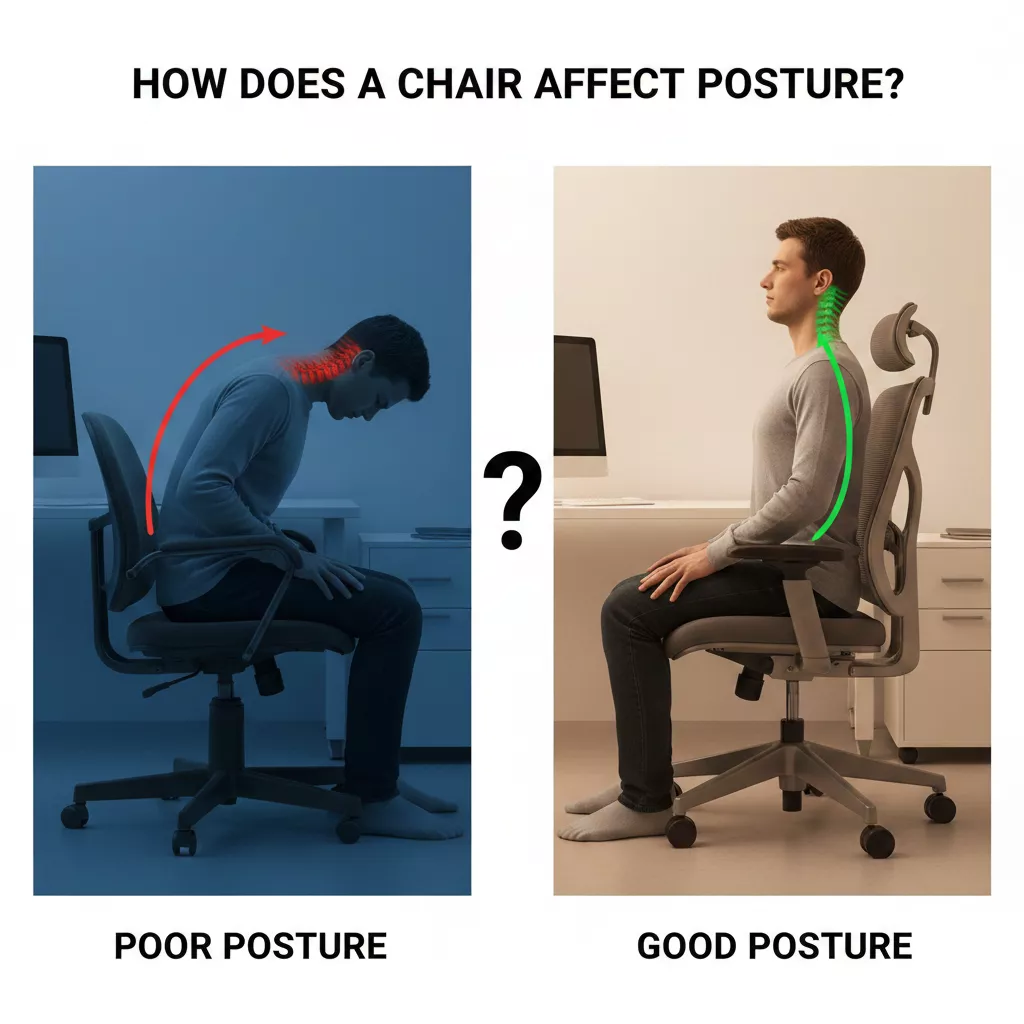
Ergonomic chairs, intuitive layouts, and natural light significantly improve physical and mental wellness.
5. Future Scalability
Flexible layout planning ensures your business adapts to growth, technology shifts, and evolving customer expectations.
Key Elements of Effective Commercial Space Design
1. Space Planning
The foundation of commercial space designs lies in understanding how people move and interact within a space. Clear zoning, circulation paths, and purposeful furniture placement are essential.
2. Ergonomics & Furniture Selection
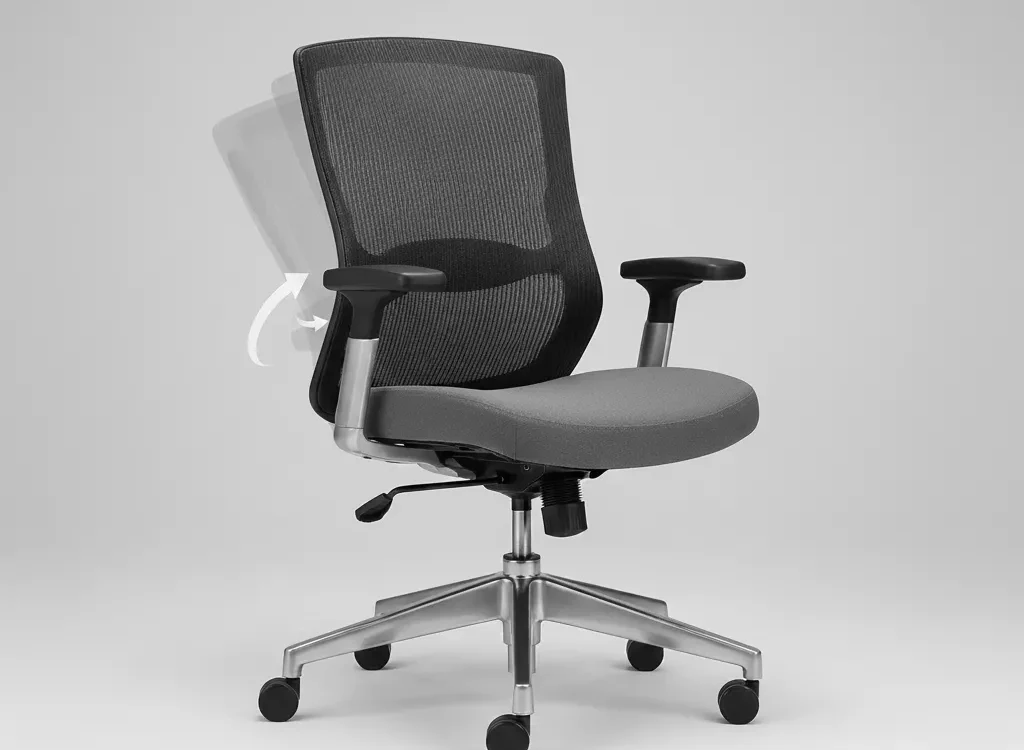
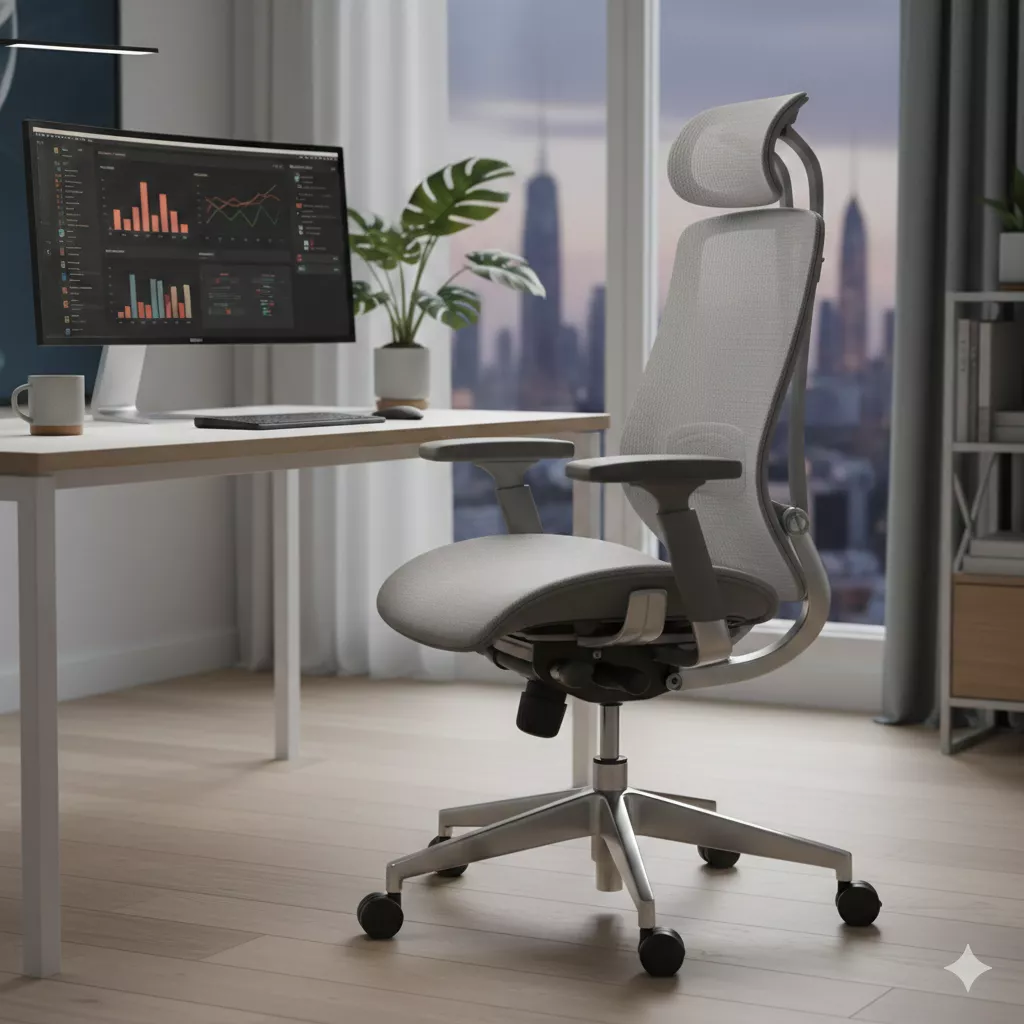
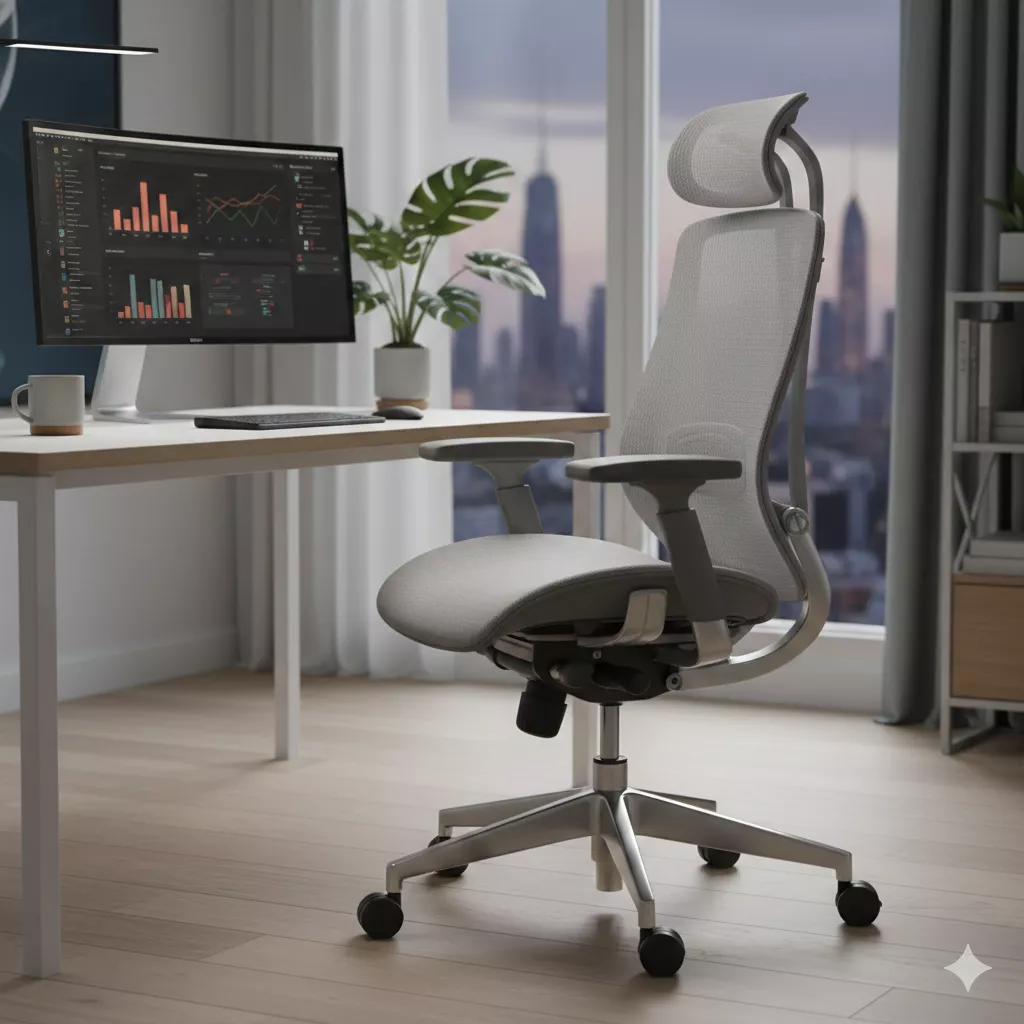
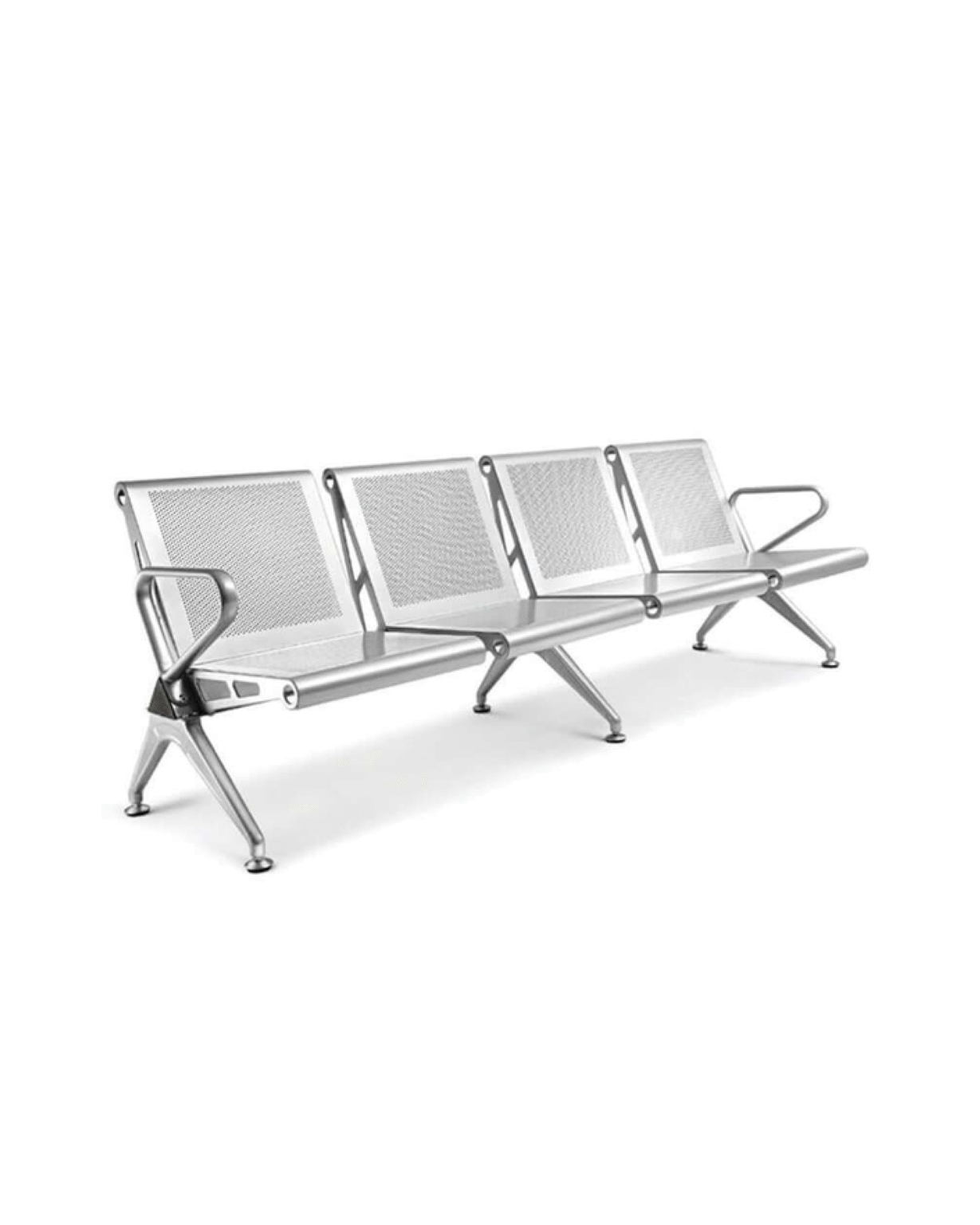
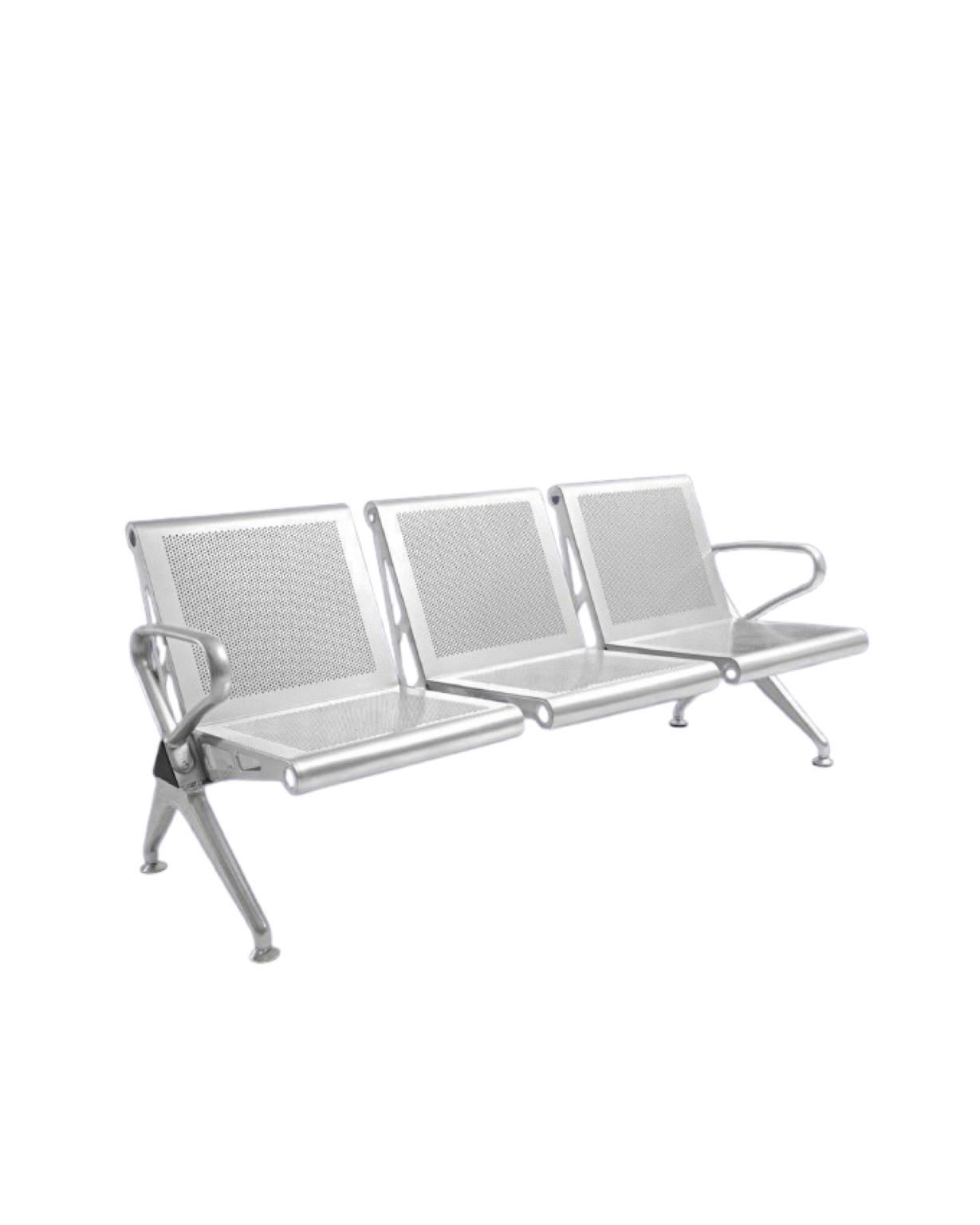
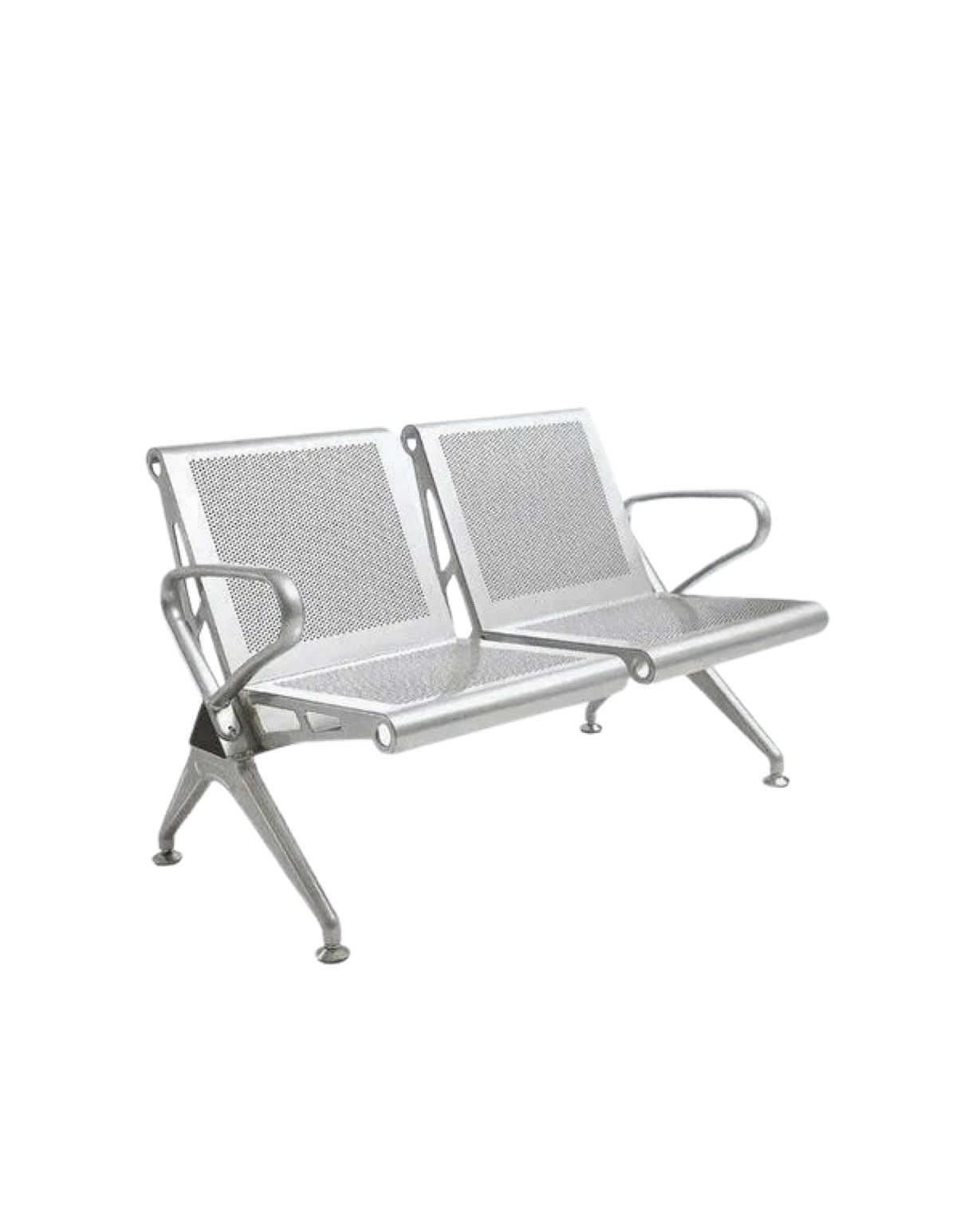
Furniture impacts both aesthetics and comfort. Businesses increasingly choose ergonomic chairs, modular seating, and adaptable furniture that complements their workflow and brand personality.
This is where premium products from Solitaire Chairs play a vital role—offering durability, style, and comfort suited for high-traffic environments.
3. Lighting Strategies
Lighting affects perception, mood, and functionality. Natural light boosts energy, while layered lighting highlights focal points and enhances usability.
4. Material Choices
From flooring to upholstery, materials must be durable, easy to maintain, and visually consistent with the theme of the space.
5. Technology Integration
Modern commercial space design often includes smart collaboration tools, charging stations, digital displays, and IoT-driven solutions.
6. Safety & Compliance
Fire safety, accessibility standards, and structural guidelines ensure the space is both safe and legally compliant.
Types of Spaces That Benefit From Commercial Space Design
Workplaces
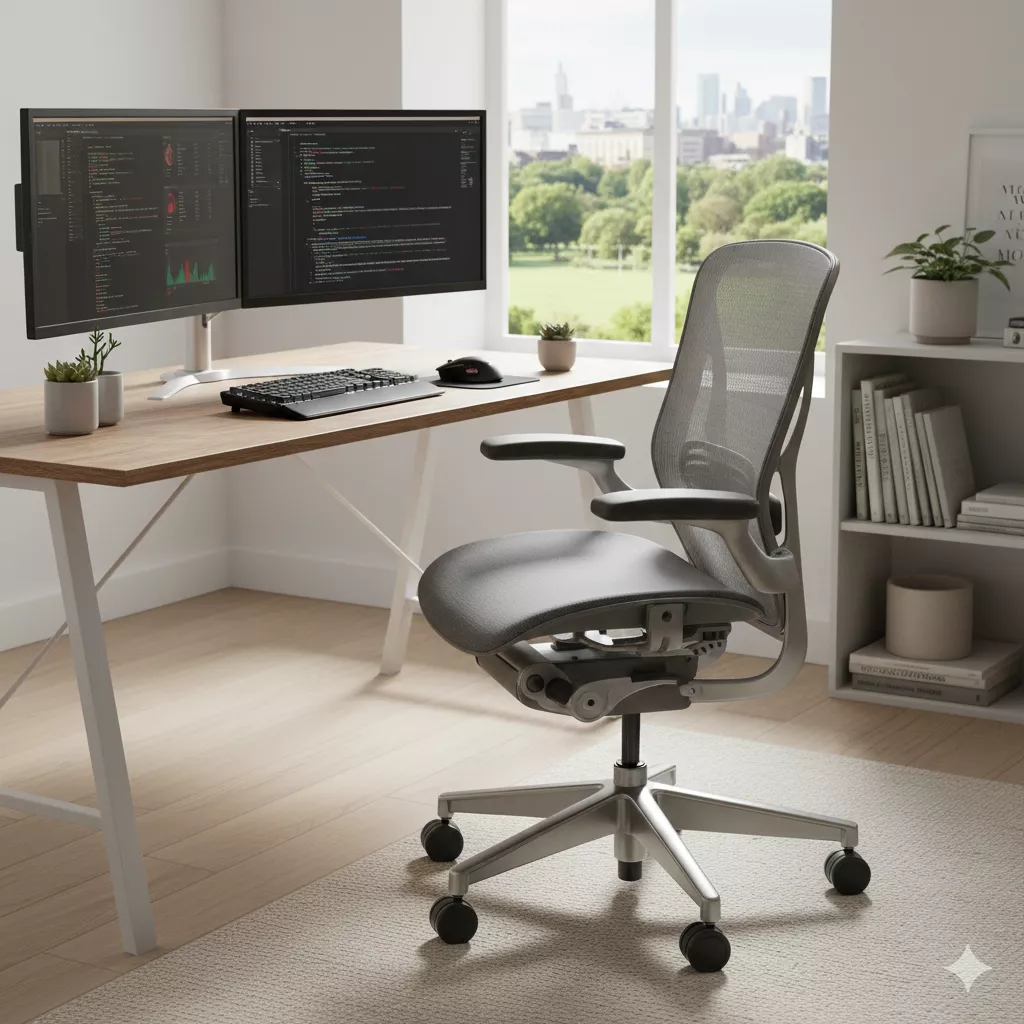
Modern offices focus on hybrid collaboration, ergonomic seating, and layout flexibility. Choosing the right office chairs and desks dramatically improves workflow and employee satisfaction.
Retail Stores
Retail design uses layout psychology, product placement, and visual merchandising to enhance conversions. Seamless pathways and comfortable seating corners elevate customer experience.
Hospitality Spaces
Restaurants, cafés, lounges, and hotels rely on ambiance and comfort. Furniture layout, lighting, and décor create memorable guest experiences.
Educational & Institutional Spaces
Universities, libraries, and training centers depend on functional layouts, durable furniture, and multi-purpose areas.
In all these settings, expertly crafted seating—like the solutions from Solitaire Chairs—becomes an essential component of effective commercial space design.
The Role of Furniture in Commercial Space Design
Furniture influences not just aesthetics, but also movement, engagement, and comfort. High-quality chairs and seating solutions can:
- Reinforce brand style
- Improve posture and productivity
- Optimize traffic flow
- Offer durability in busy environments
This is why choosing premium furniture is one of the smartest investments in any commercial space design project.
How Solitaire Chairs Supports Modern Commercial Spaces
Solitaire Chairs offers a wide range of contemporary, ergonomic, and stylish seating crafted for commercial use—offices, hospitality environments, retail spaces, and more.
Our chairs are designed with:
- Advanced ergonomic engineering
- Durable materials for long-term use
- Sleek, modern design aesthetics
- Customizable options to match brand identity
When combined with strategic commercial space design, the right seating can elevate the overall ambience and functionality of your business environment.
Upgrade to Solitaire. Sit better. Work better. Live better.
Visit: solitairechairs.com
Final Thoughts
In a world where experience defines success, commercial space design is no longer optional—it’s essential. Whether you’re shaping a dynamic office or a customer-focused retail space, good design influences behavior, productivity, and long-term business growth.
By pairing thoughtful design with high-performance furniture from Solitaire Chairs, you can create spaces that inspire, engage, and deliver lasting value.
You can also check our other blogs👇
Blog
Get fresh home inspiration and helpful tips from our interior designers