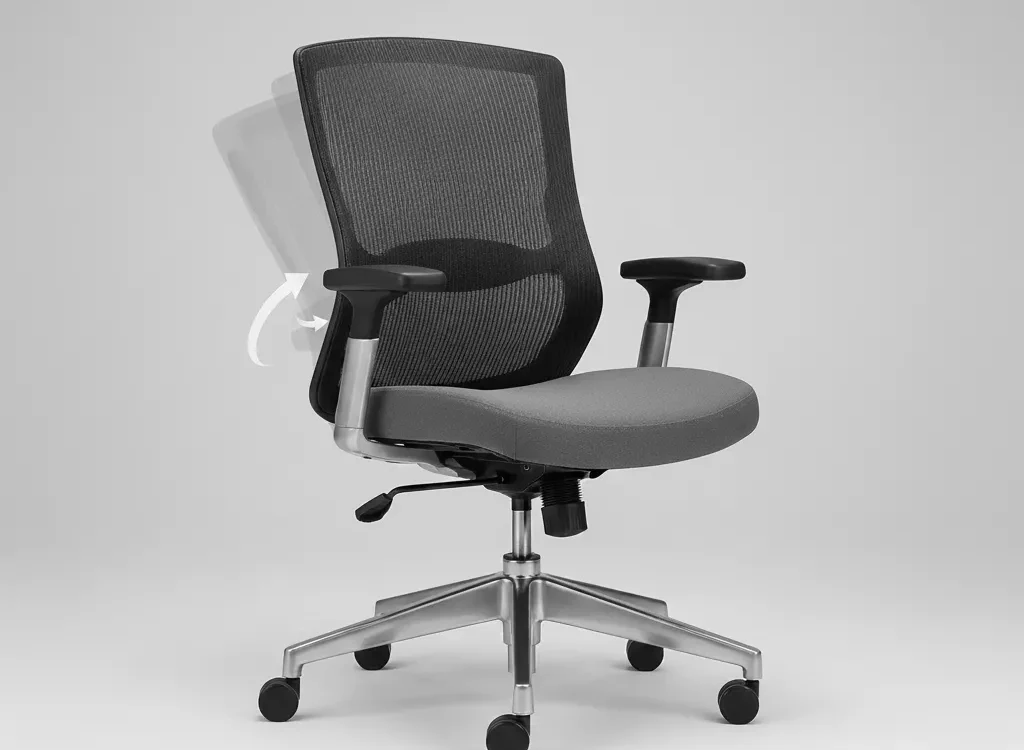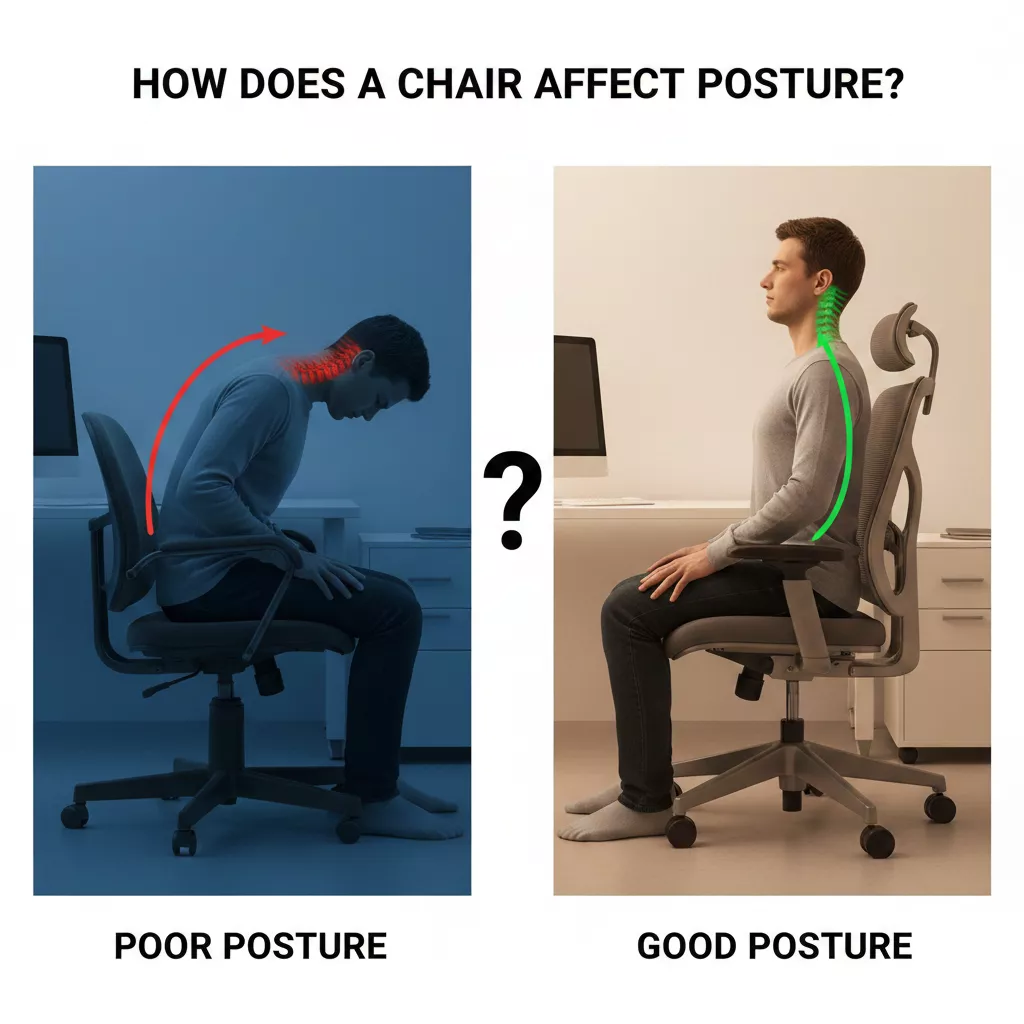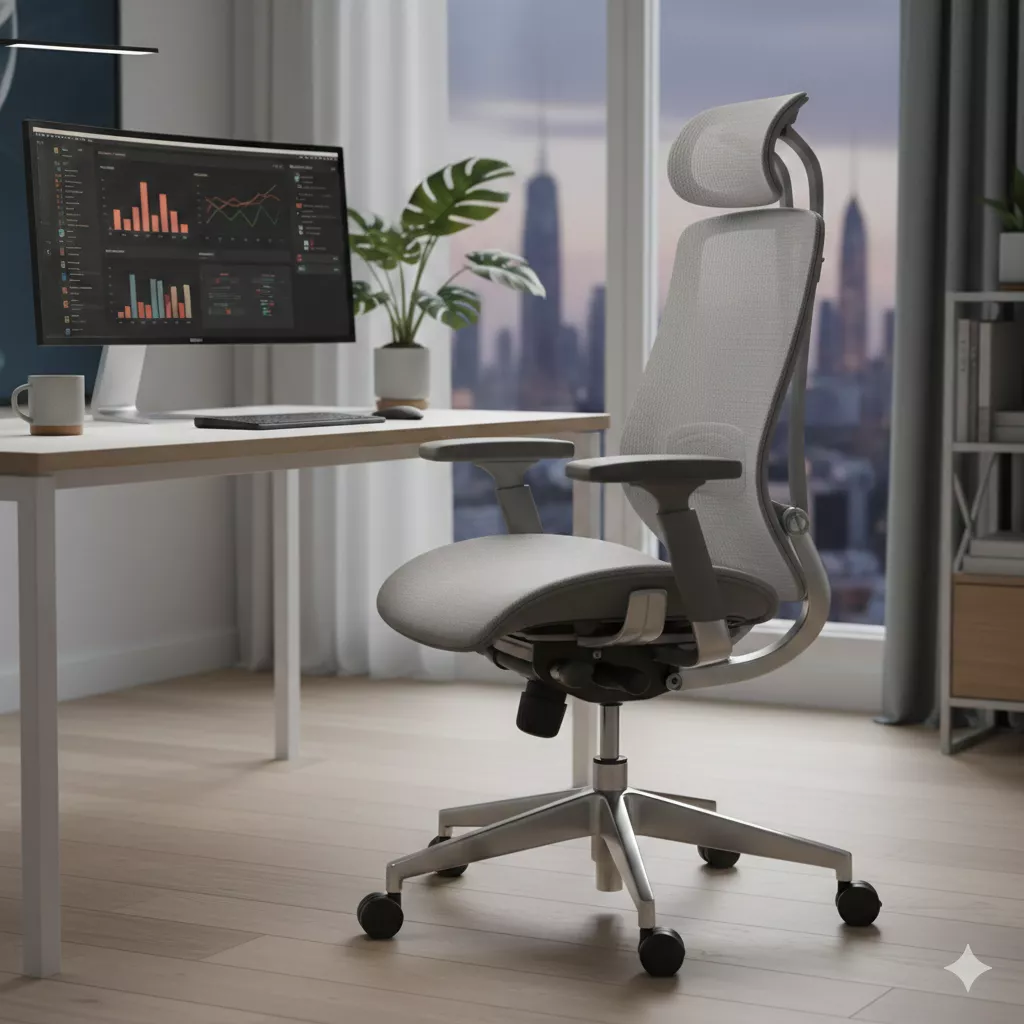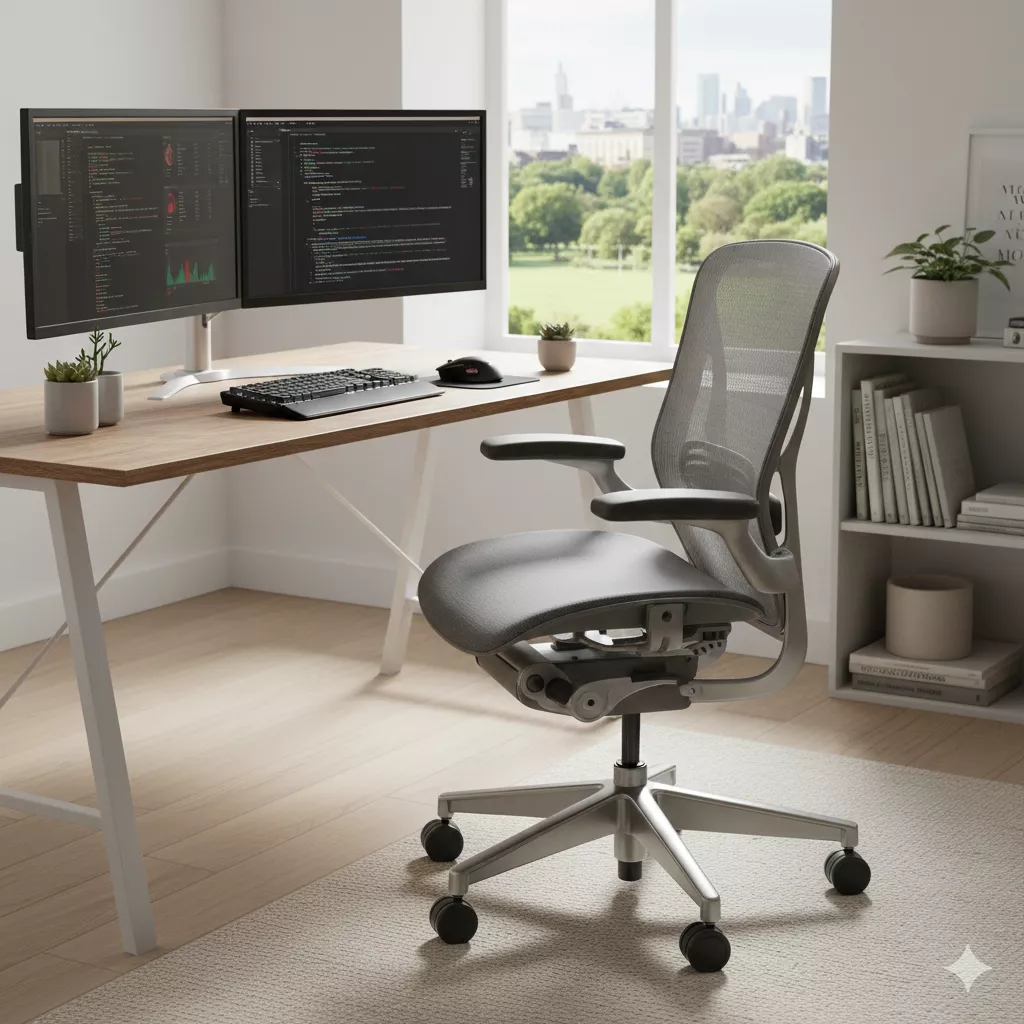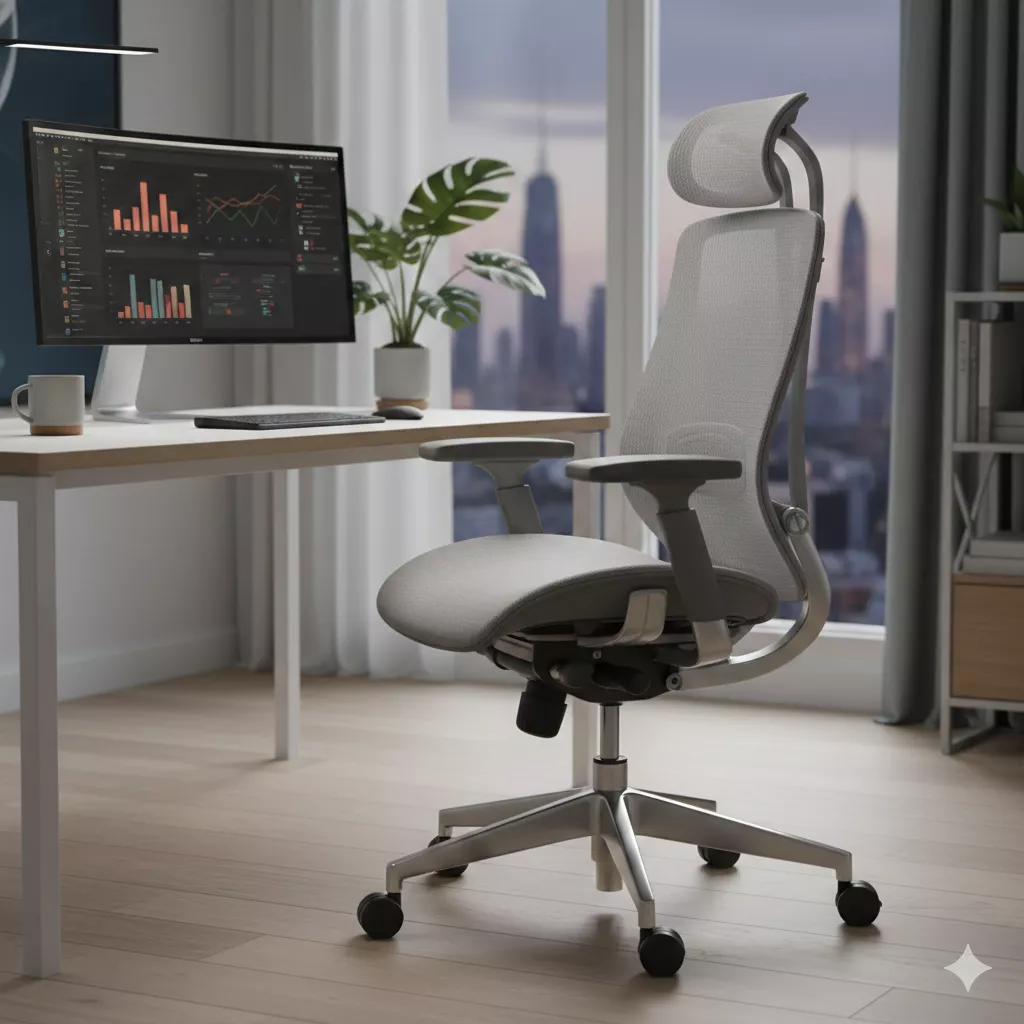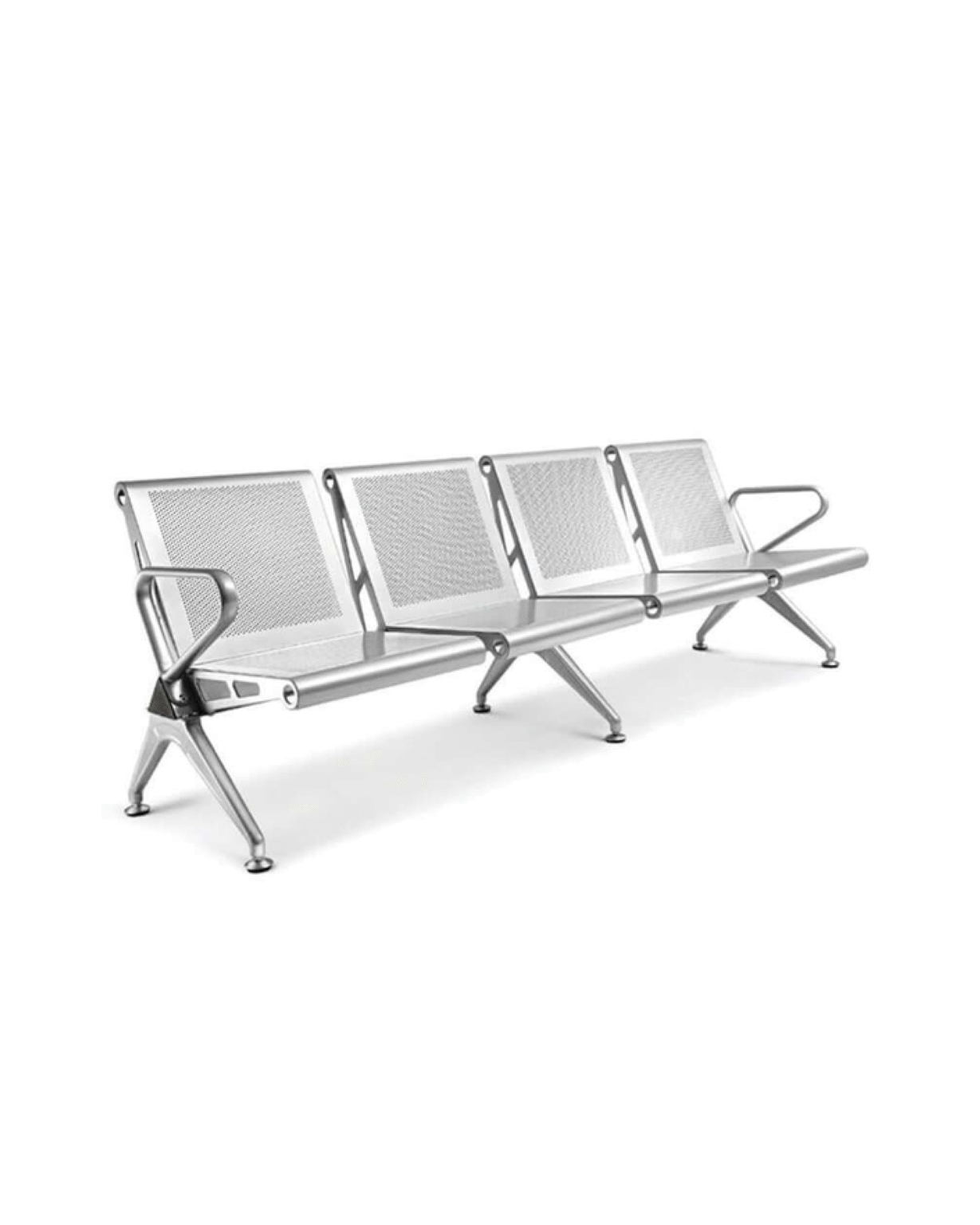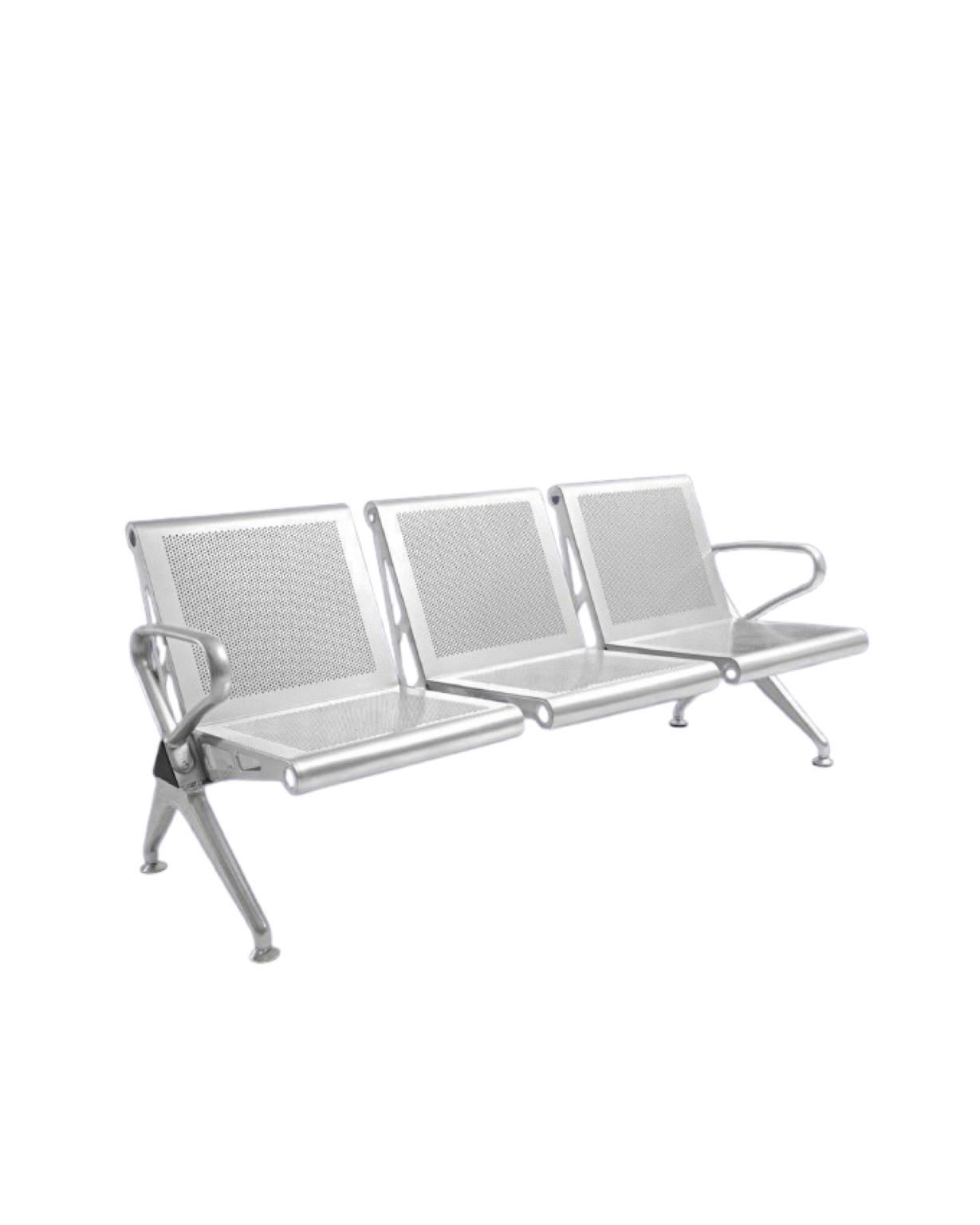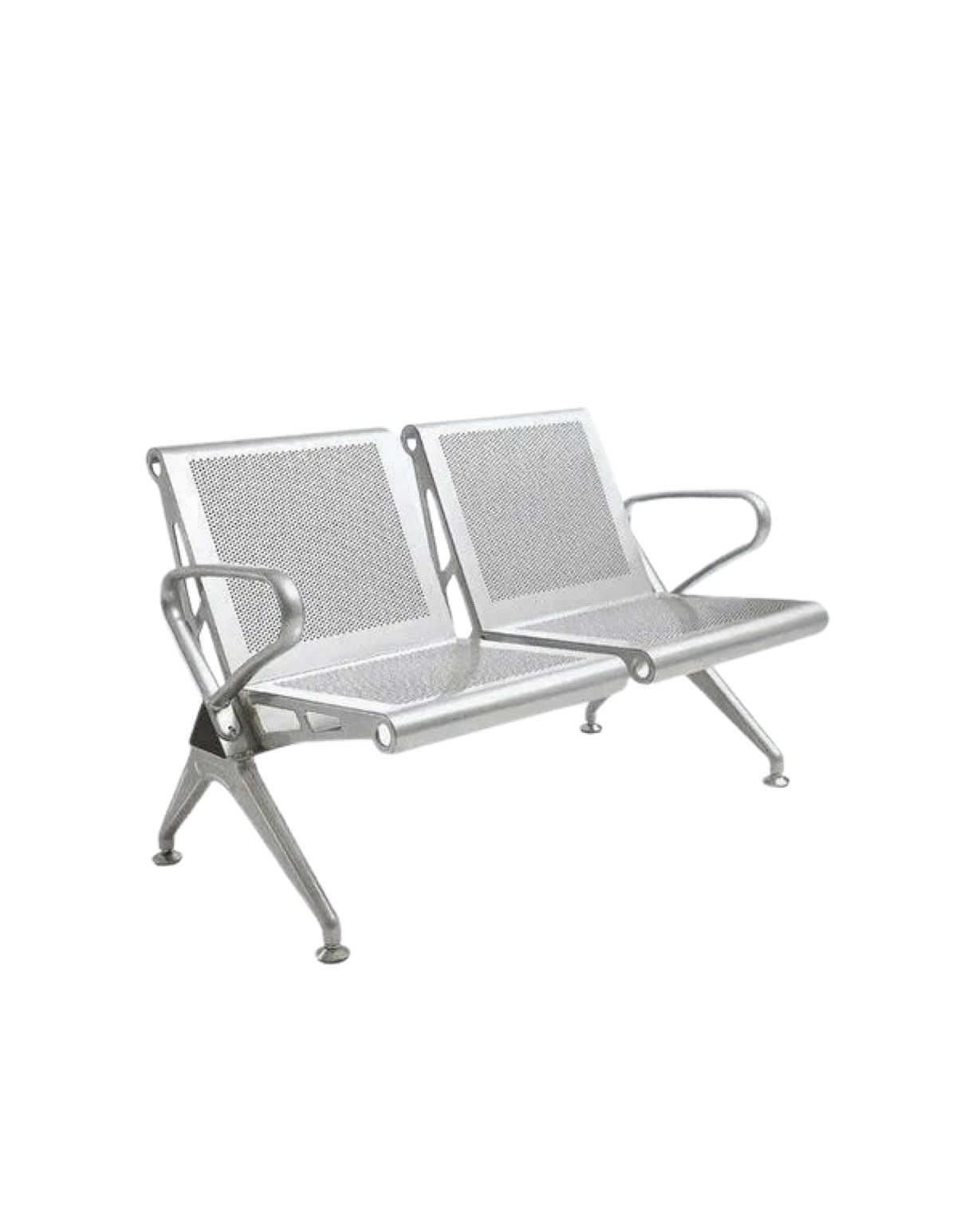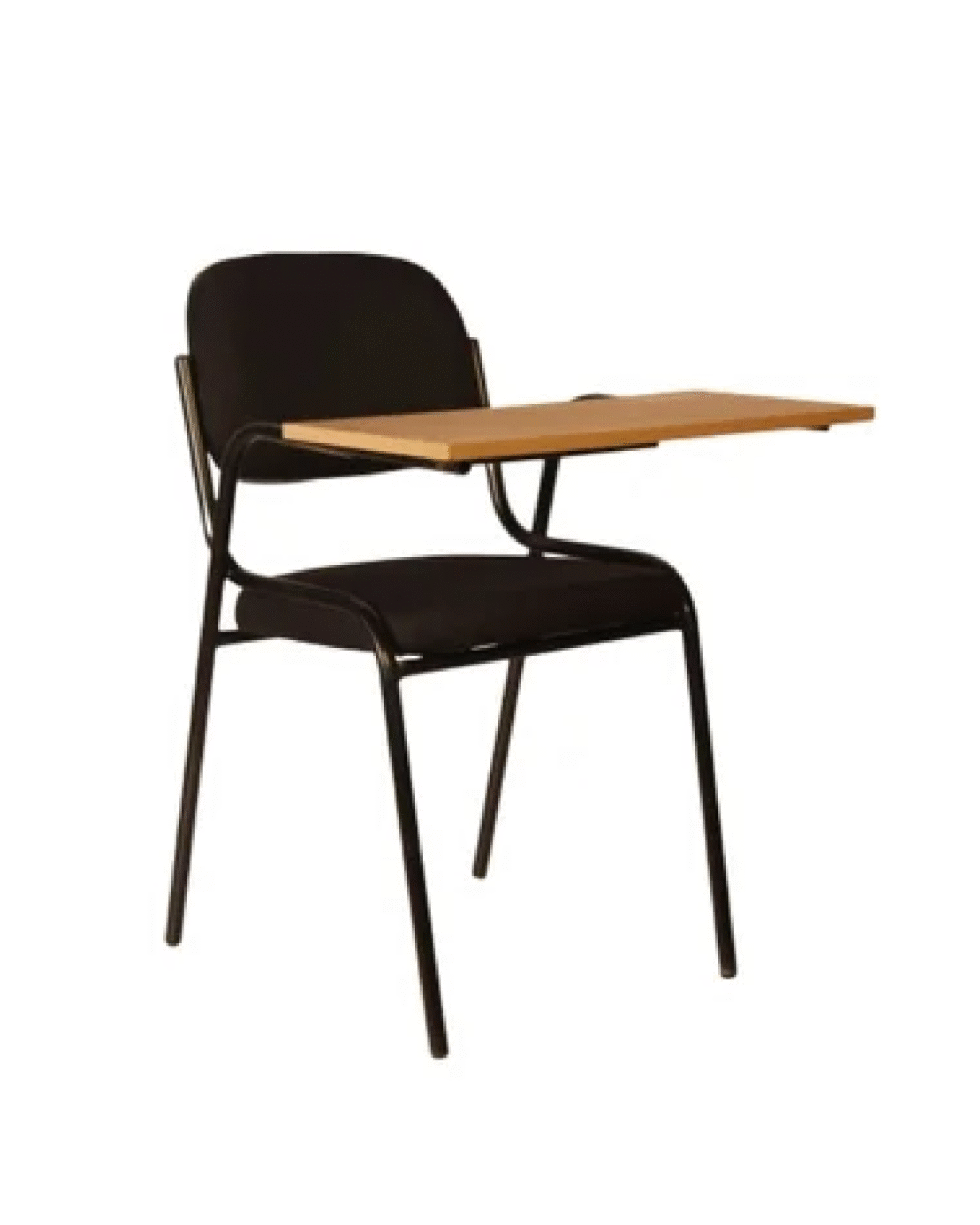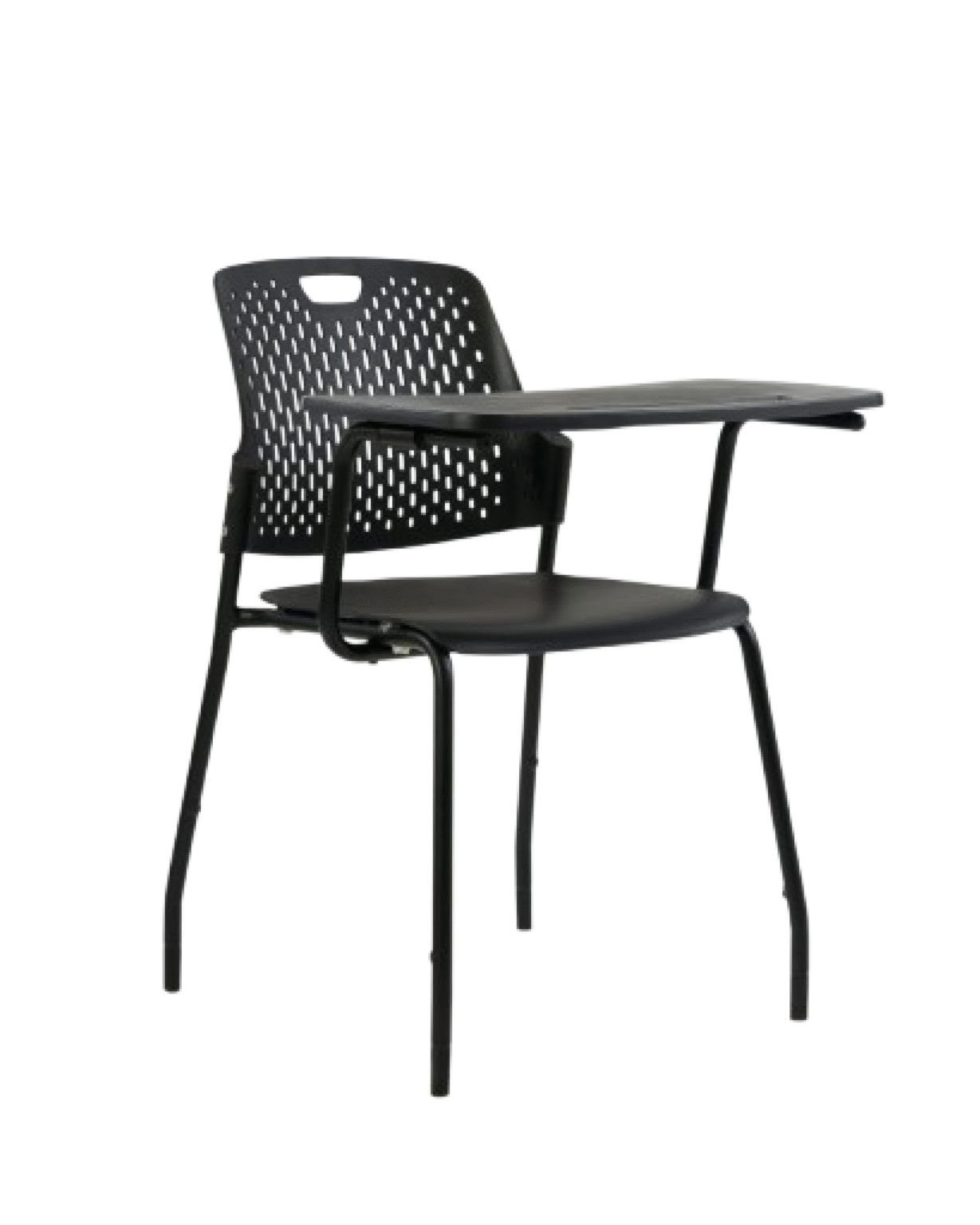
Choosing the right chair goes far beyond style. While residential chairs and commercial chairs may look similar at first glance, they are designed for completely different purposes. Understanding the difference between residential and commercial chairs helps businesses, designers, and even homeowners choose furniture that lasts, performs well, and fits the environment it serves.
Below is a clear breakdown of what sets these two categories apart.
1. Durability & Strength
Commercial Chairs
Commercial chairs are engineered to handle high traffic, constant use, and heavier weight loads. They often undergo strict durability testing, such as:
- BIFMA or ANSI certification
- Weight endurance checks
- Wear-and-tear abrasion tests
This makes them ideal for:
- Restaurants
- Offices
- Hotels
- Cafes
- Waiting areas
Residential Chairs
Residential chairs are designed for occasional, lighter use. They prioritize comfort and aesthetics over extreme durability. While strong, they do not undergo the same contract-grade testing as commercial chairs.
2. Materials & Construction
Commercial Chairs
Commercial seating uses materials that are:
- Wear-resistant
- Easy to clean
- Stain and spill-proof
- Fire-retardant (in many cases)
- Built with reinforced frames (metal, hardwood, steel)
Typical materials include:
- High-performance fabrics
- Vinyl or faux leather
- Powder-coated metal
- Injection-molded plastics
Residential Chairs
Residential chairs tend to use materials that emphasize comfort and design:
- Soft upholstery
- Natural leather
- Decorative fabrics
- Wooden frames (not always reinforced)
They may not withstand heavy commercial environments.
3. Design & Aesthetic Priorities
Commercial Chairs
Design focuses on:
- Functionality
- Space optimization
- Safety and stability
- Brand identity
- Uniformity for large-scale spaces
Commercial chairs are available in a wide range of modern, minimal, and durability-focused styles.
Residential Chairs
Residential designs highlight:
- Personal taste
- Aesthetic variety
- Comfort-oriented builds
- Decorative finishes
These chairs are created to complement home interiors rather than support heavy operational use.
4. Maintenance Requirements
Commercial Chairs
Built for quick cleaning and maximum hygiene, commercial chairs are ideal for spaces where spills, dust, and constant handling are common. They require very little upkeep.
Residential Chairs
These chairs may require more delicate handling. Upholstery may stain more easily, and materials can degrade faster with harsh or frequent cleaning.
5. Price Differences
Commercial Chairs
Because of strengthened materials and durability standards, commercial chairs generally cost more. However, they last significantly longer, making them a better long-term investment for businesses.
Residential Chairs
Residential seating is usually more affordable upfront but may not withstand frequent or heavy usage.
6. Warranty & Certifications
Commercial chairs typically come with:
- Longer warranties
- Performance certifications
- Safety compliance records
Residential chairs do not always include such detailed guarantees since they’re designed for minimal daily stress.
7. Ideal Use Cases
Commercial Chairs Are Best For:
- Restaurants and cafés
- Offices and coworking spaces
- Hospitality interiors
- Public waiting areas
- Training rooms
Residential Chairs Are Best For:
- Living rooms
- Dining spaces
- Bedrooms
- Home offices
Final Thoughts
The difference between residential and commercial chairs lies in durability, materials, performance, and purpose. If your space involves frequent use, heavy traffic, or business activities, commercial chairs are the smart choice. For home environments, residential chairs offer comfort and style suitable for everyday living.
Make the smart choice. Choose comfort. Choose performance. Choose Solitaire Chairs.
Explore our ergonomic chairs now → https://solitairechairs.com/
You can also check our other blogs👇
Blog
Get fresh home inspiration and helpful tips from our interior designers